
Category: Artificial Intelligence
-
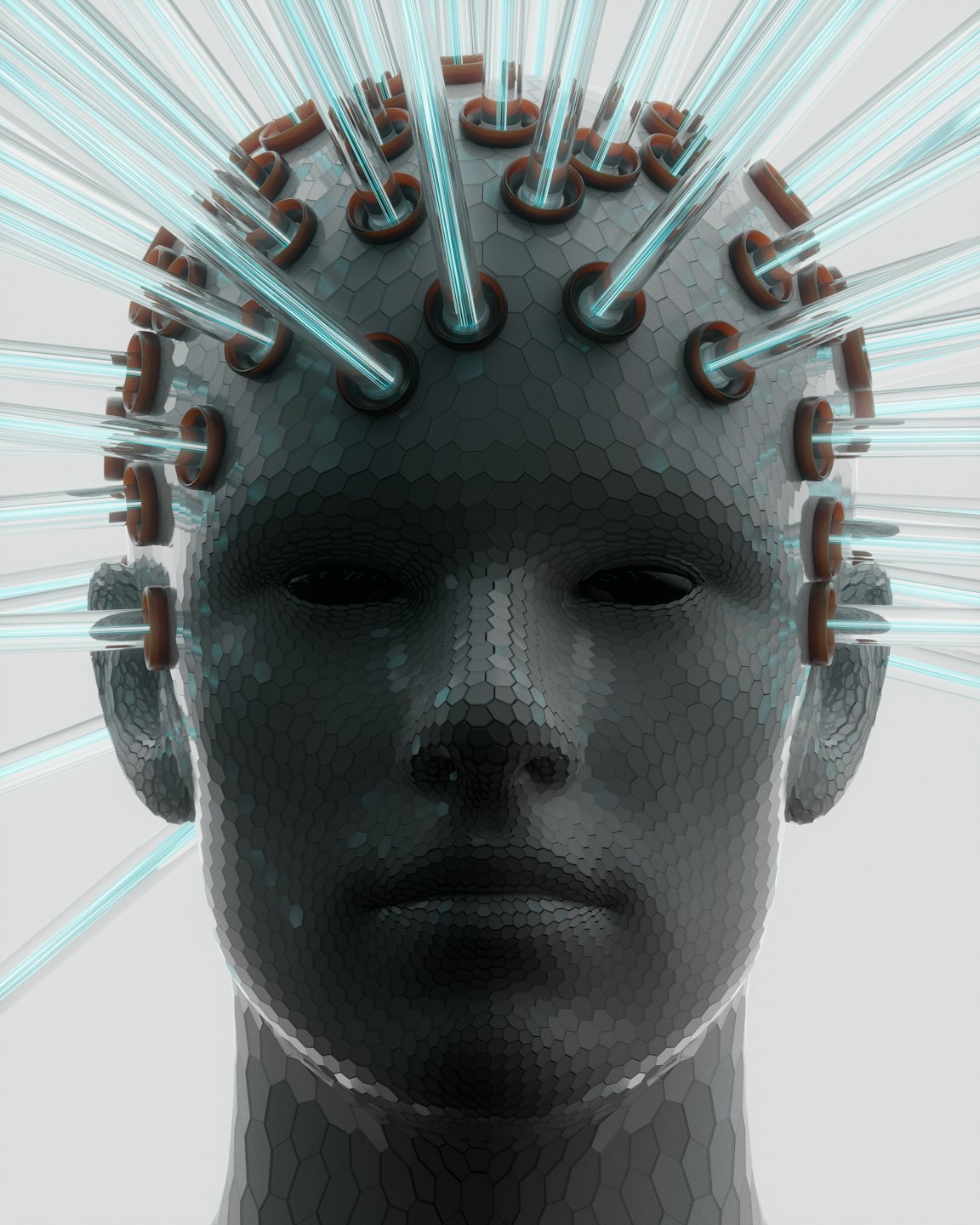
By: CJ Long articles, research papers, meeting transcripts, and business reports can contain far more information than someone has time to read in one sitting. AI summarization tools attempt to solve this problem by turning lengthy material into shorter versions that preserve the information most relevant to the reader. Instead of manually reviewing every paragraph,…
-

By: CJ LLM personal information retrieval is the process of finding relevant details from a user’s conversations, saved memories, documents, or connected services so that an AI assistant can answer questions using information specific to that person. Large language models (LLMs) can generate text and interpret questions, but they do not automatically have access to…
-

By: CJ Vector databases are specialized data storage systems that help AI applications find information by comparing numerical representations of meaning rather than relying only on exact word matches. They are particularly useful when an AI assistant needs to search through large collections of notes, documents, meeting transcripts, or other text to locate information relevant…
-

By: CJ Personal notes rarely begin as neatly organized records. A quick thought might be typed into a phone while walking to class, a meeting decision might be buried inside a long paragraph, and an important deadline might appear beside an unrelated reminder. Over time, these fragments accumulate until finding one specific detail becomes almost…
-

By: CJ Brain-computer interfaces allow people to control digital systems using signals associated with brain activity, creating a communication pathway between the human nervous system and a computer. Instead of relying entirely on a keyboard, touchscreen, or spoken command, a person may be able to move a cursor, select letters, or operate an assistive device…
-

By: CJ Professionals increasingly work across documents, emails, meetings, research materials, project plans, and digital conversations. The challenge is not always finding information for the first time. It is remembering where useful information was saved, understanding how it relates to current work, and retrieving it when a decision needs to be made. Second brain apps…
-

By: CJ Taking notes has traditionally required people to listen, identify important information, and decide how to record it. Whether someone writes in a notebook or types on a laptop, the process involves making choices about what deserves attention. AI note-taking apps are changing that process by automatically transcribing conversations, summarizing lengthy discussions, and organizing…
-

By: CJ AI meeting summaries are changing how organizations document discussions, track decisions, and manage follow-up work. Instead of relying entirely on handwritten minutes or asking employees to review an entire recording, modern software can transcribe conversations, identify important points, and generate a concise account of what was discussed. The technology combines several capabilities, including…
-

By: CJ AI transcription converts spoken language into written text using artificial intelligence and speech recognition technology. It powers features such as smartphone dictation, automatic subtitles, meeting transcripts, and voice-controlled applications. Instead of requiring someone to type every spoken word, these systems analyse audio and predict the words that most likely match what was said.…
-

By: CJ AI and human thinking are becoming increasingly connected as artificial intelligence takes on tasks that once required people to research, remember, analyze, and make decisions independently. AI can summarize lengthy reports, generate ideas, explain unfamiliar concepts, and suggest solutions within seconds. These abilities can save time and make complex information easier to work…